Posted on Leave a comment

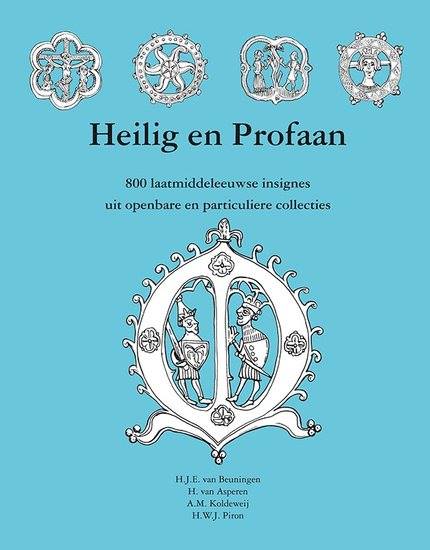
Heilig en Profaan 4

You probably remember that we are always citing Heilig en Profaan 1 – or 2 – or 3 – when we talk about the amazing original material from the Netherlands. We are very excited to have received our copy of Heilig en Profaan 4, with 800 newly published objects (a few are mold mates of objects published before, but they often provide additional information). We have already picked three new objects to copy – and have several others under consideration.

To read more about this excellent book and order one for yourself (although the shipping charges make it worthwhile to order 3 if your friends are also interested, because it costs 38 euro to ship one, but only 40 to ship three to the US), see http://www.medievalbadges.org/mb_publicaties_UK.html). The price is currently 42.50 euro. It goes up to 49.94 euro after Jan. 15.
Posted on Leave a comment

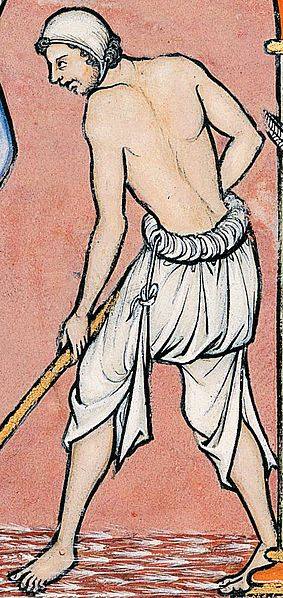
Braies

Another vaguely off-topic topic (because we are not doing much pewter right at the moment, but we are doing other re-enacting sorts of things): Mac has returned to his men’s underwear project, and he is sharing his research and patterns on a board in the Armour Archive (http://forums.armourarchive.org/phpBB3/viewtopic.php…). He has also finally made public his Pinterest boards on his braies typology: https://www.pinterest.com/macs_shop/braies-type-i/
https://www.pinterest.com/macs_shop/braies-type-ii/
https://www.pinterest.com/macs_shop/braies-type-iii/
https://www.pinterest.com/macs_shop/braies-type-iv/
https://www.pinterest.com/macs_shop/braies-type-v/
https://www.pinterest.com/macs_shop/braies-type-vi/

Posted on Leave a comment

The Dickie Bird Recast

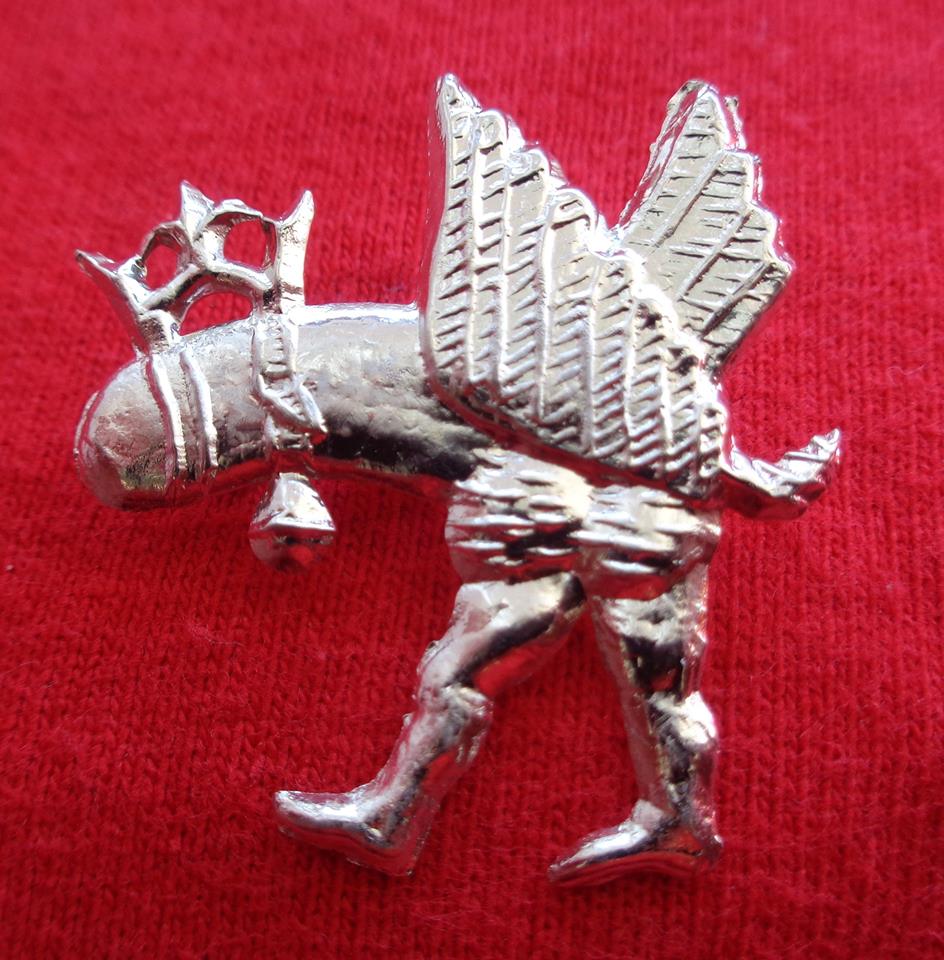
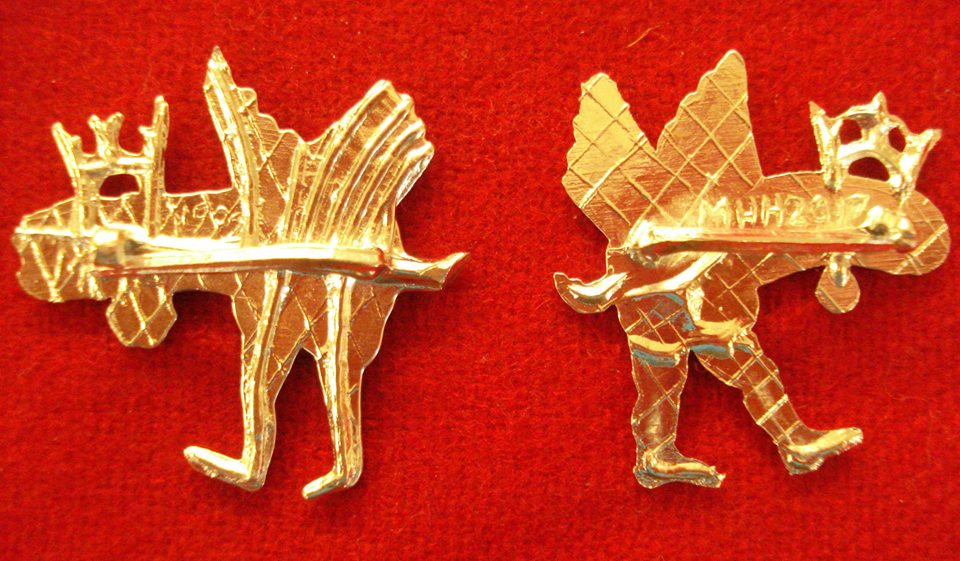
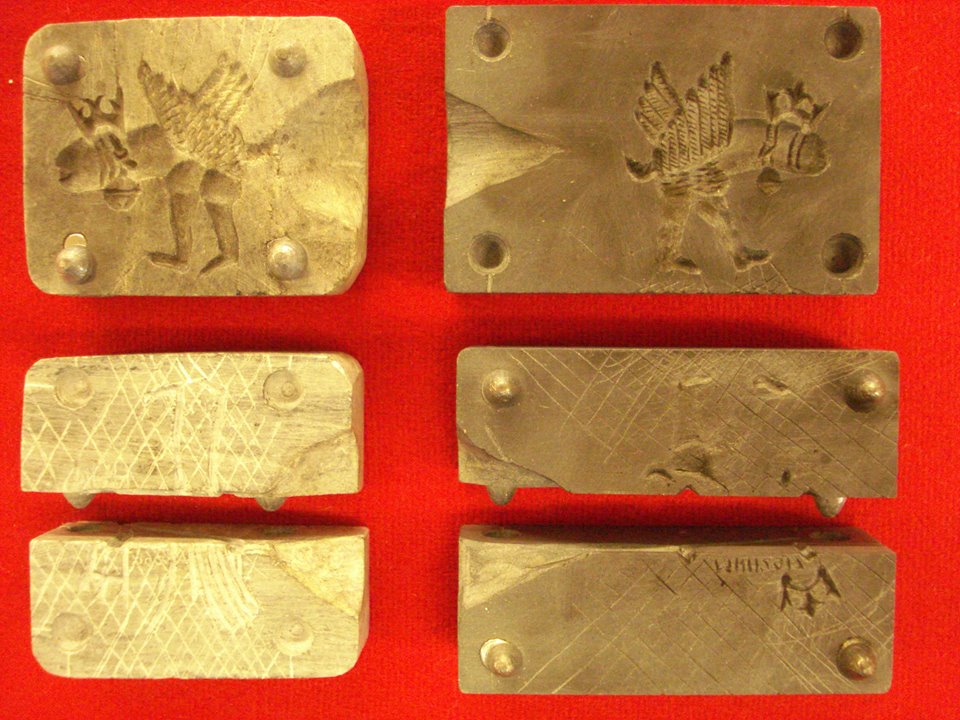
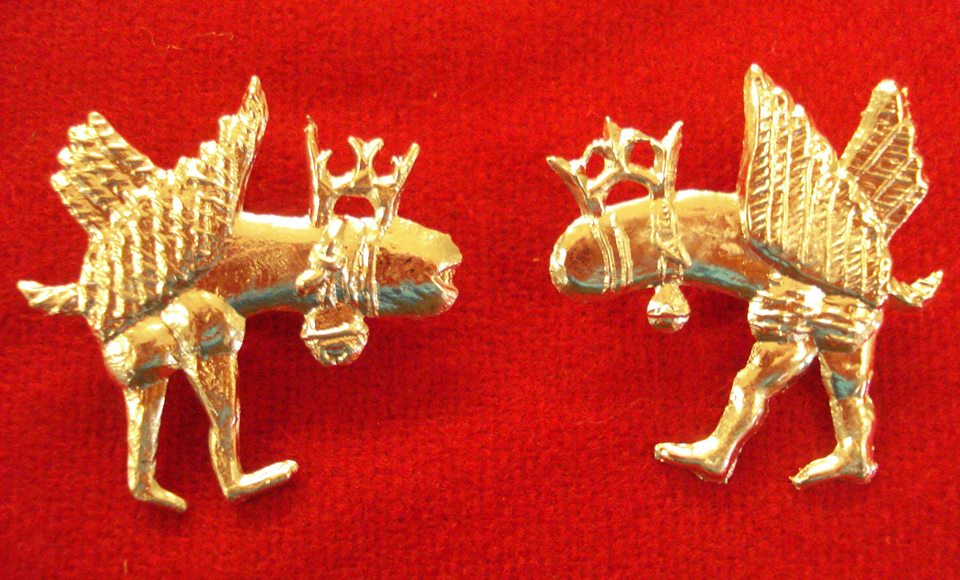
After 25 years, we re-made the dickie bird mold.


First and foremost, 25 years ago, Ifailed to flip the design to make our dickie bird face the same way as the original. Many real badges exist in multiple versions, and they often face different directions, so it is an authentic variation – but I still remember the acute pang of remorse when I noticed in the first test pour what I had done. I have not repeated that error in the succeeding years (well, perhpas once).


We both have much better control of the metal flow than when we started, and the new mold only required thickening in a couple of places that were necessarily thin in the front or fragile, in contrast to the old mold, to which I added ribs just to make it cast because the mold cavities were not deep enough.


Most embarrassingly, the molds reveal the dreadful truth of the gating on the first bird – the tail serves as part of the sprue. Between the unconventional arrangement and the very short and wide sprue, the castings frequently had to be rejected because one poured back the tail as well as the unneeded metal. Alternatively, one let the metal solidify in the wide gate, and the mold got hotter and hotter, and hotter. The new mold is far better behaved.


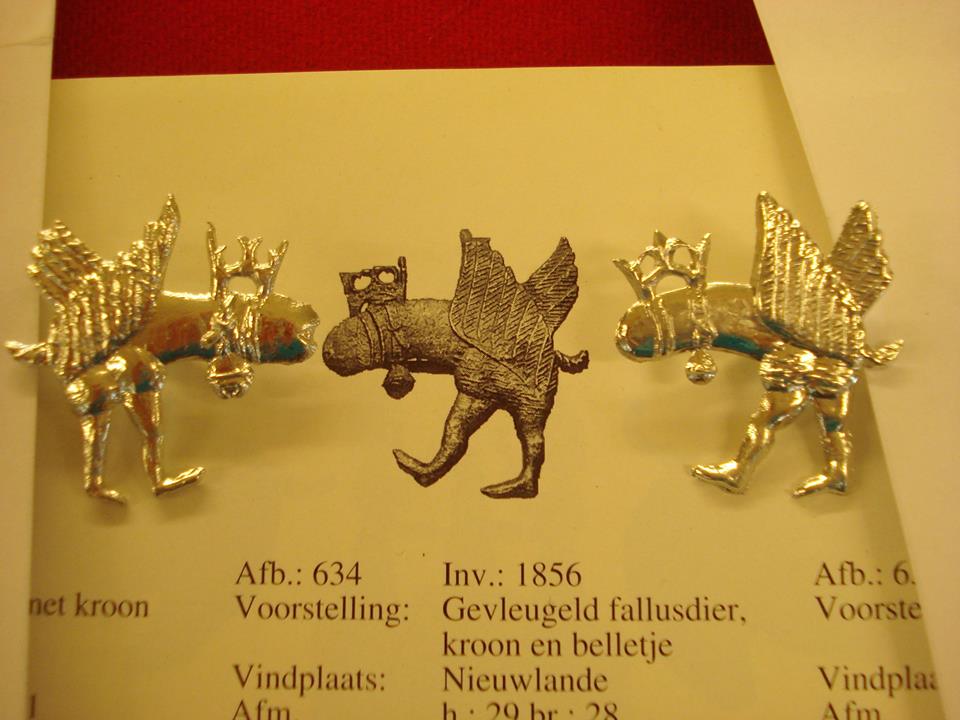
The old bird is on the left; the new one on the right. The new one corrects/ improves a number of issues.